A shared guide for FT products
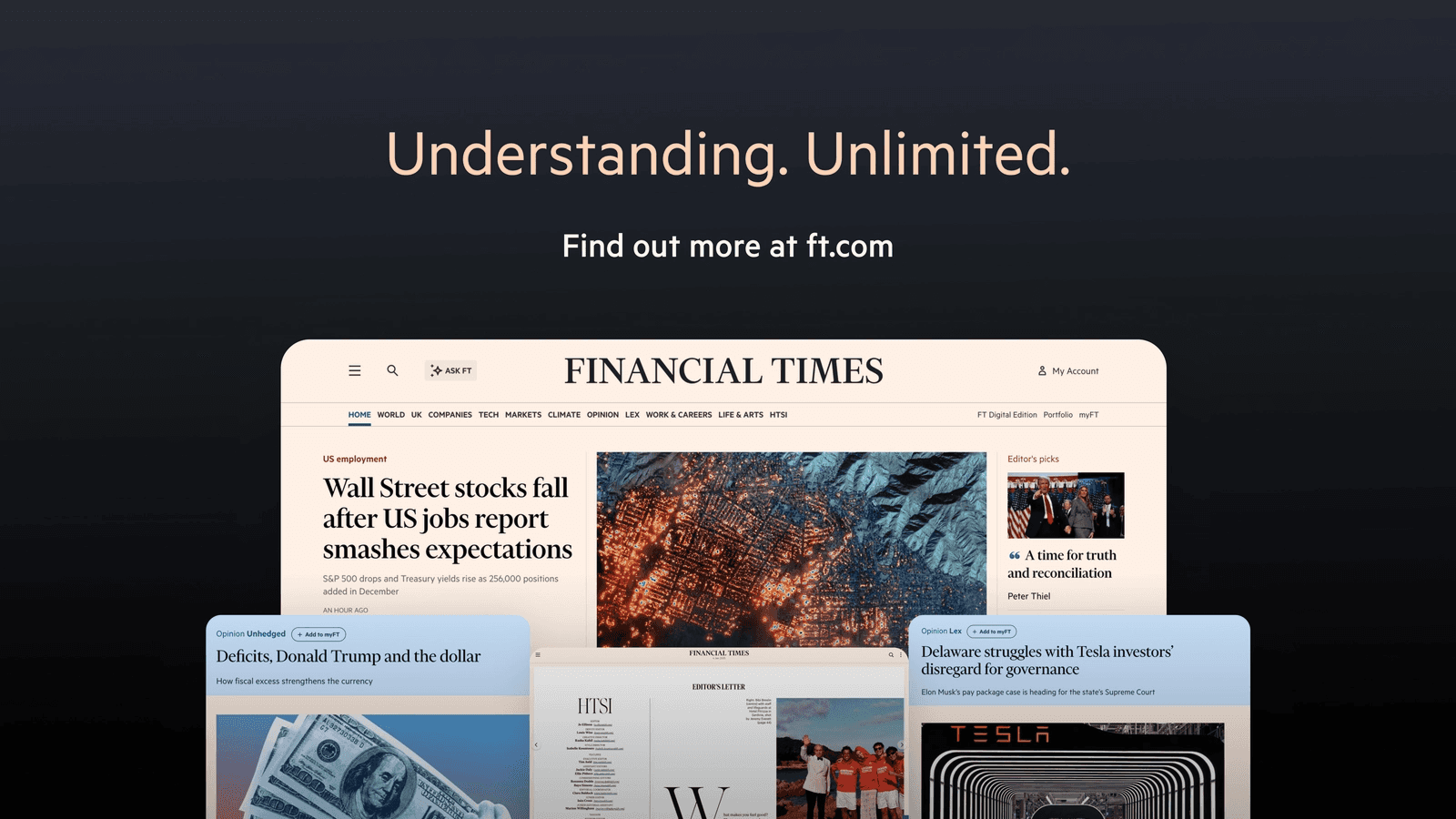
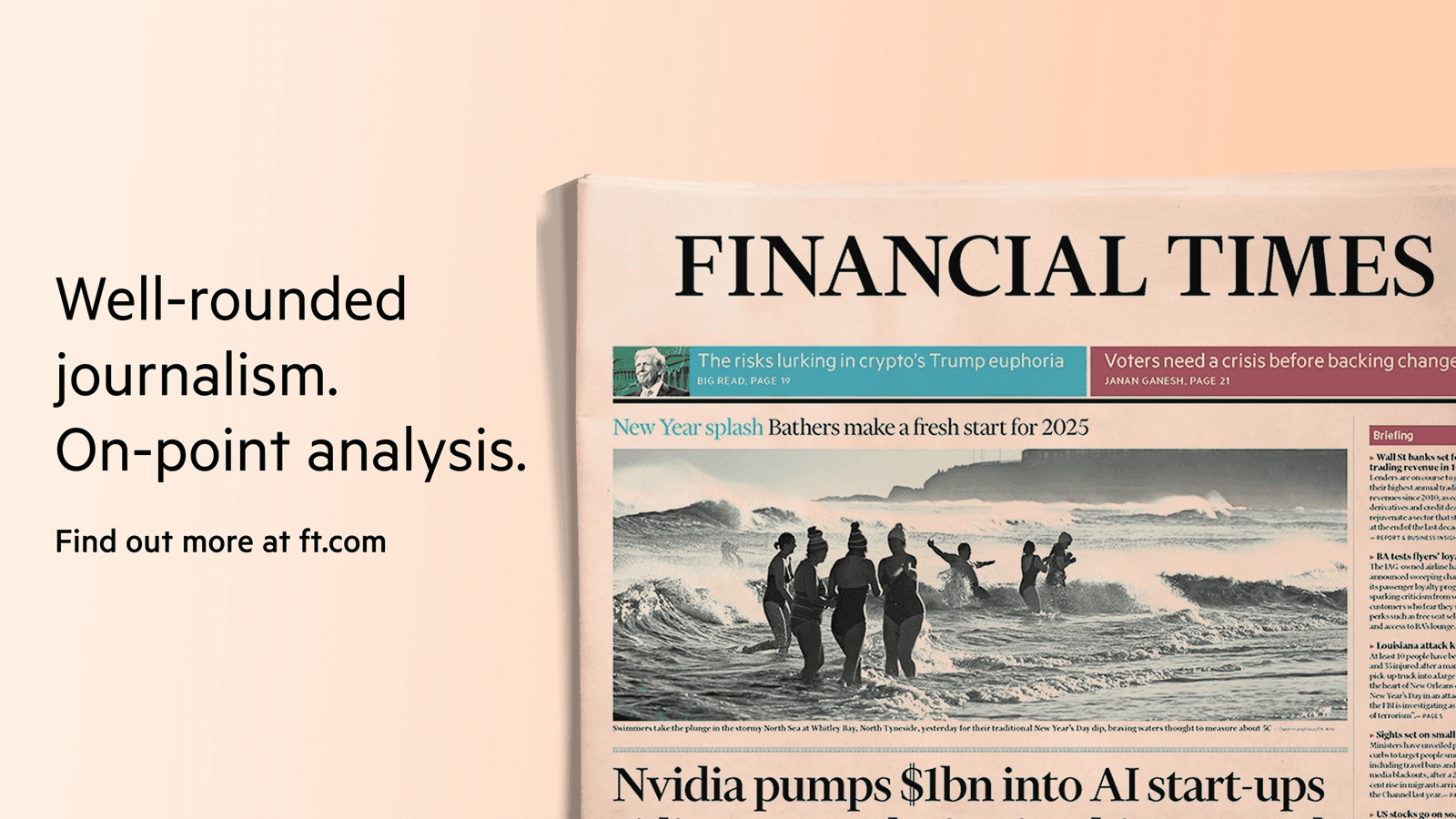
As the FT's product range grew, teams were presenting the same products in different ways. Imagery, messaging and layouts varied across channels, and there wasn't a shared reference to work from.
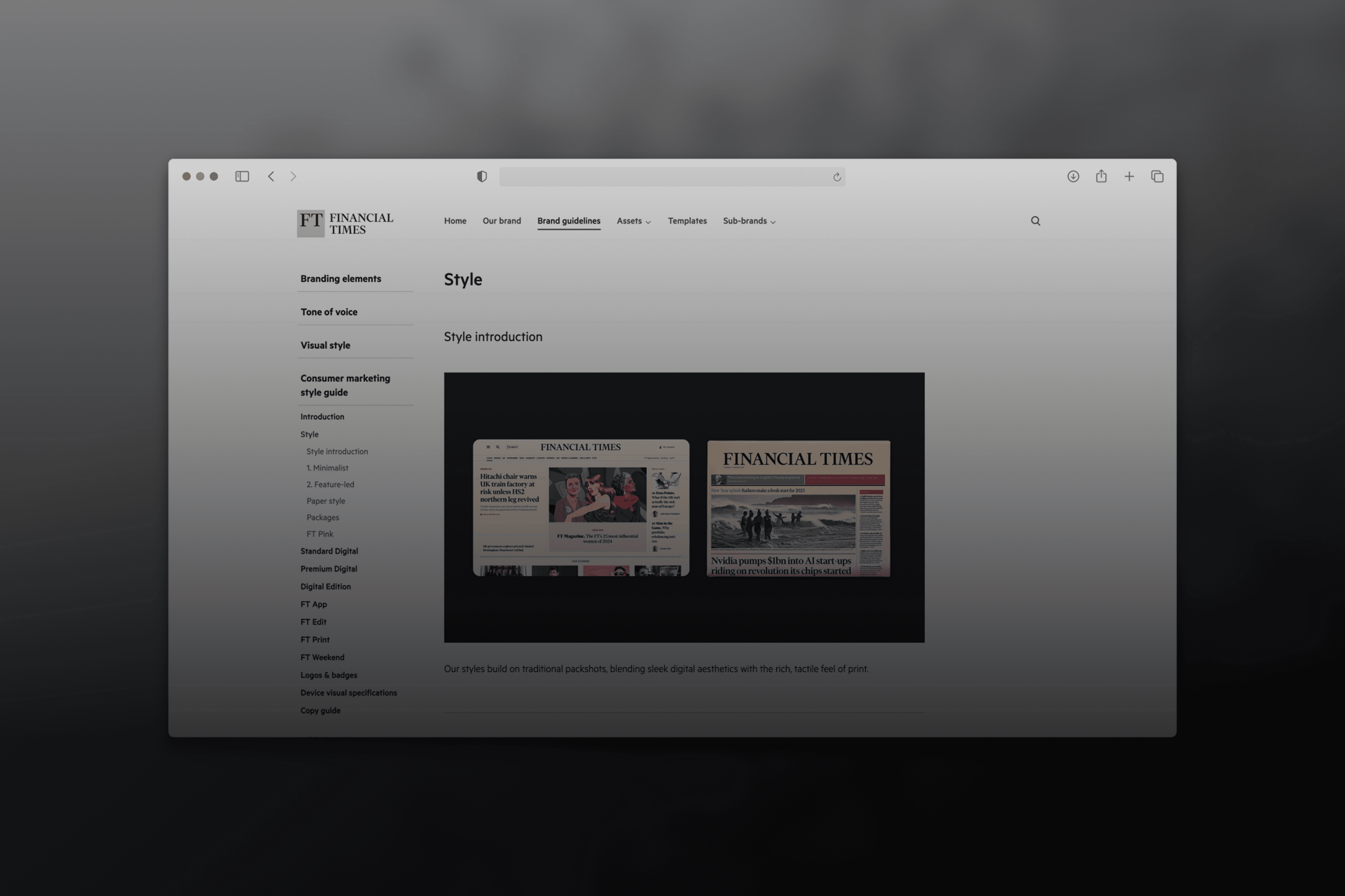
We created the FT Consumer Marketing Style Guide to bring that work together. I led the content structure, UX writing and messaging framework, working with brand, product and creative teams.
Making room for different products
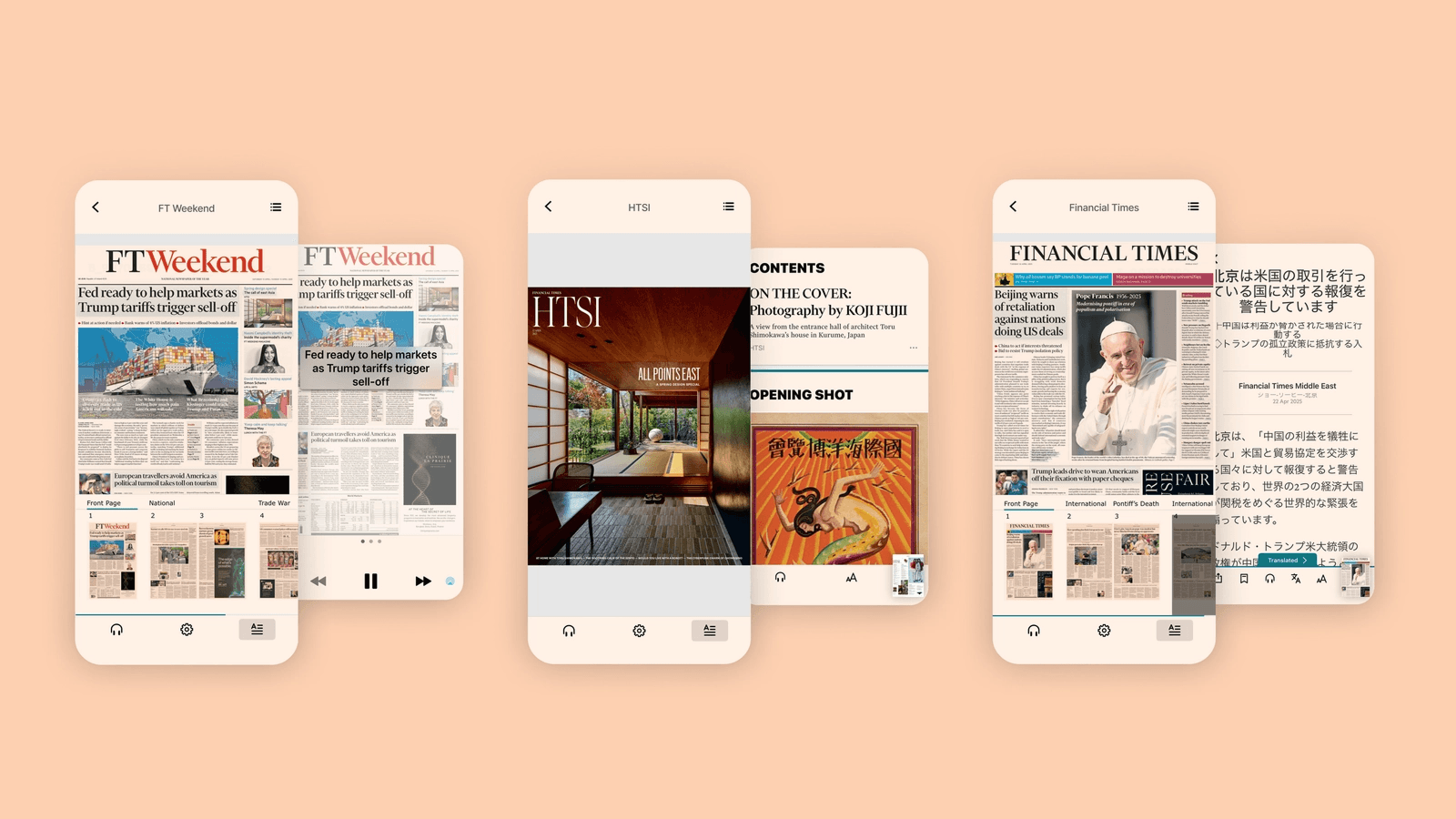
The guide needed to cover more than seven products and work for both internal teams and external agencies. Each product had its own audience and character, so the guidance had to leave room for those differences.
It also needed to be useful to someone who was new to the FT. I wanted people to be able to find an answer, understand the reasoning and apply it to the work in front of them.
What I worked on
I organised the guide, wrote the instructional content and developed the product messaging framework. Alongside the wider team, I audited existing materials and turned the findings into practical design guidance.
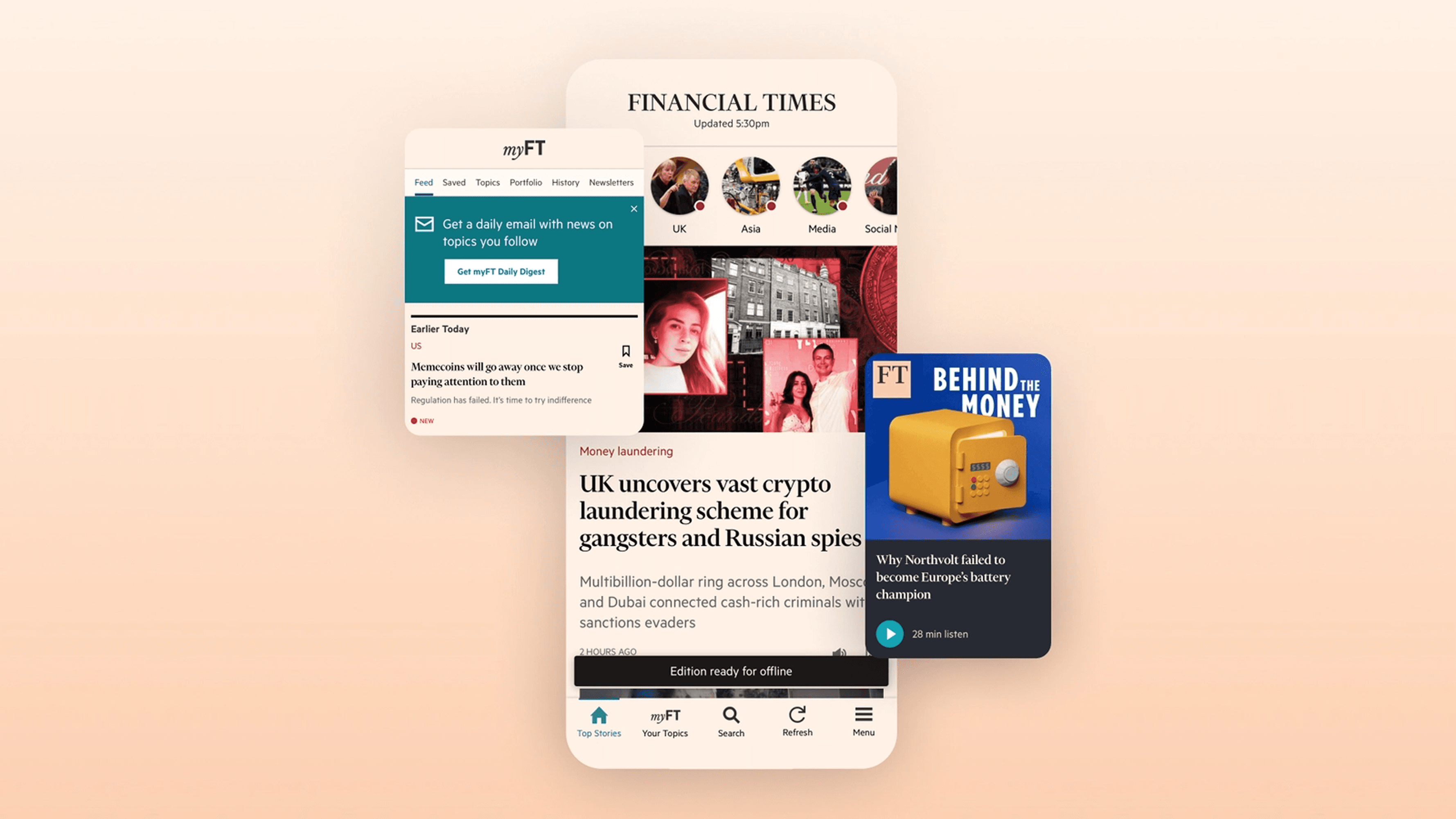
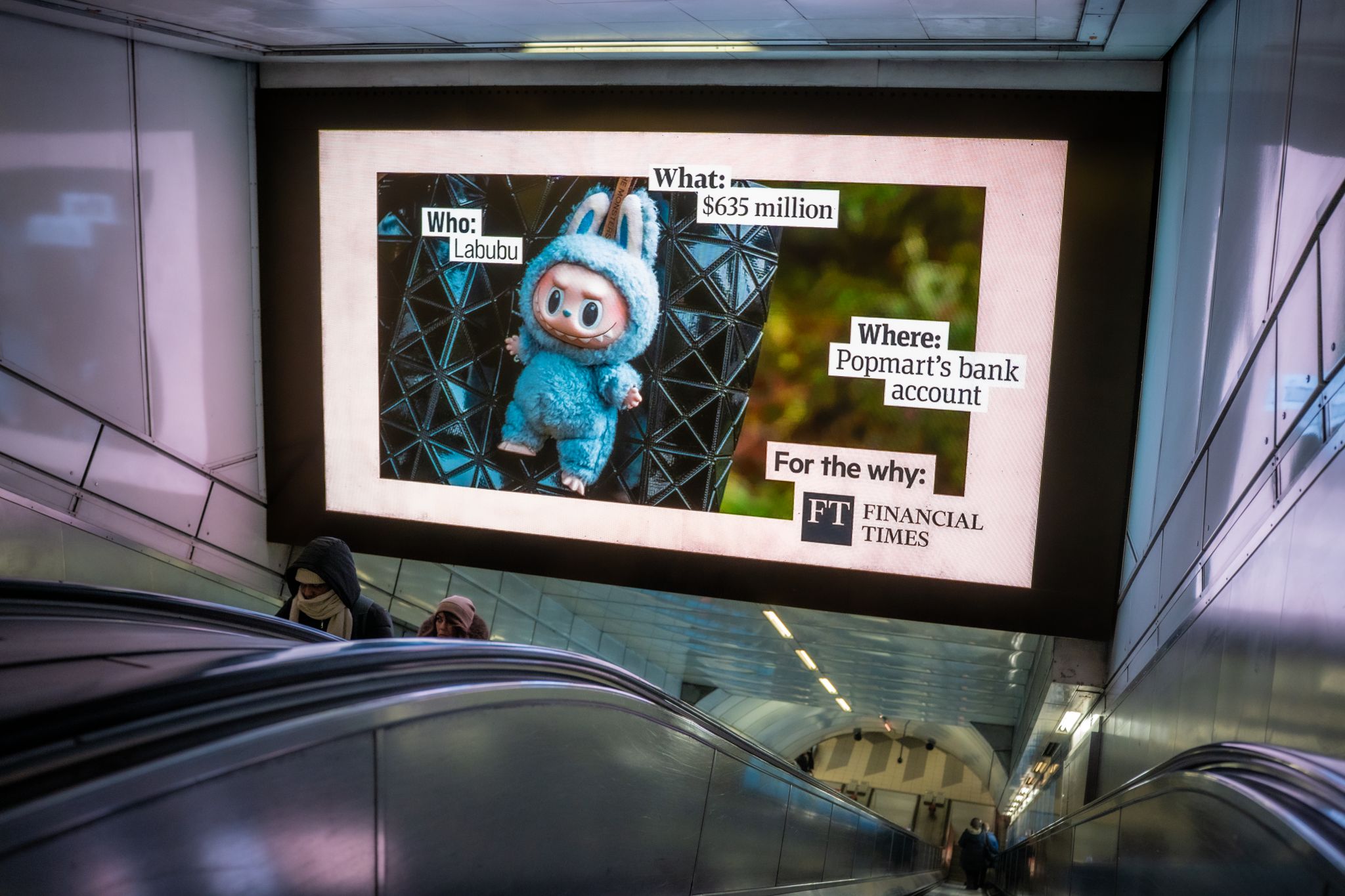
The work covered how products were described and shown across product pages, campaigns, email and promotional materials.
What the audit showed
I reviewed imagery and messaging across email, social, app stores, display advertising and campaigns. I also looked at existing brand guidance and the requirements of platforms such as Meta and Google.
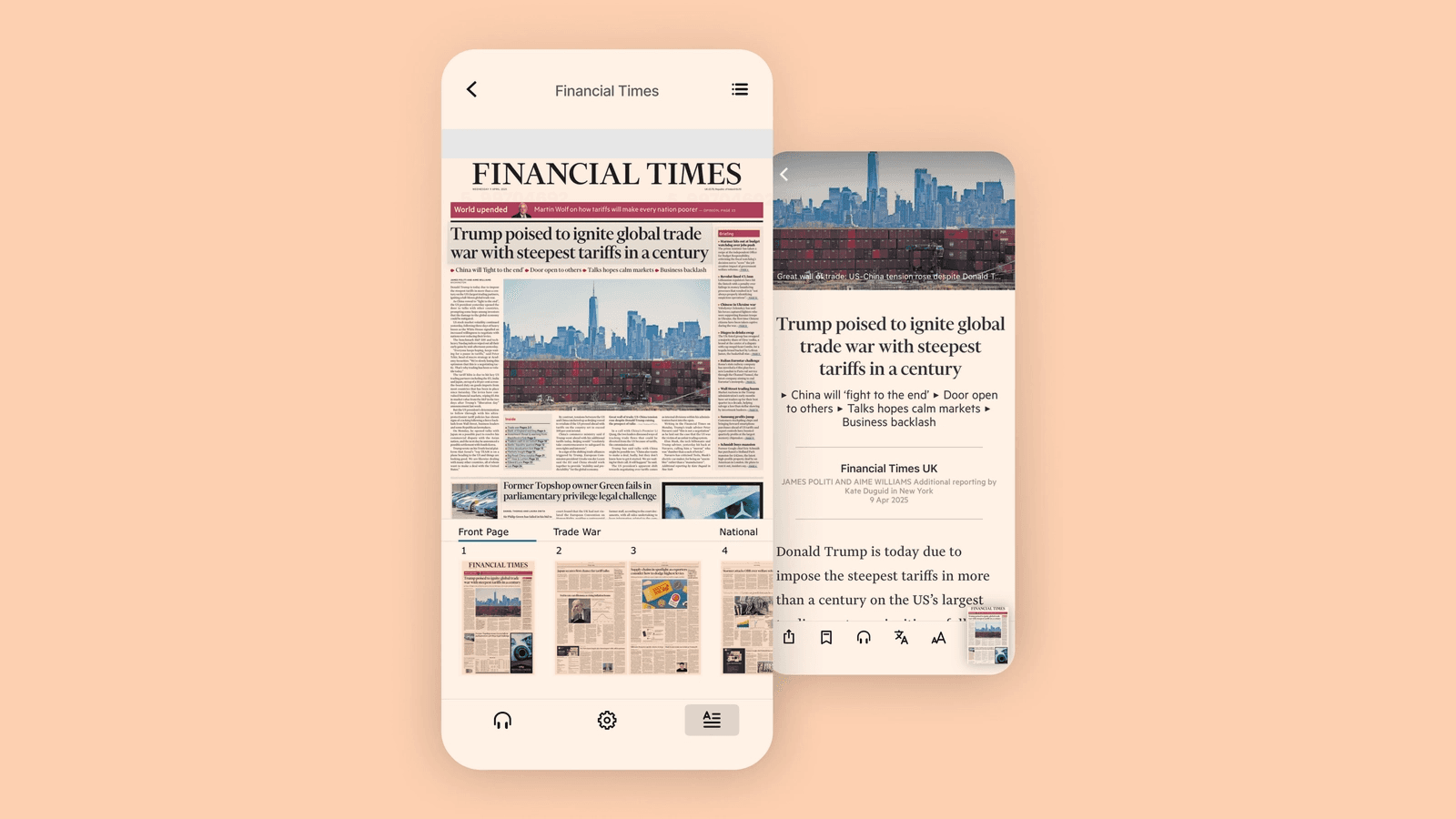
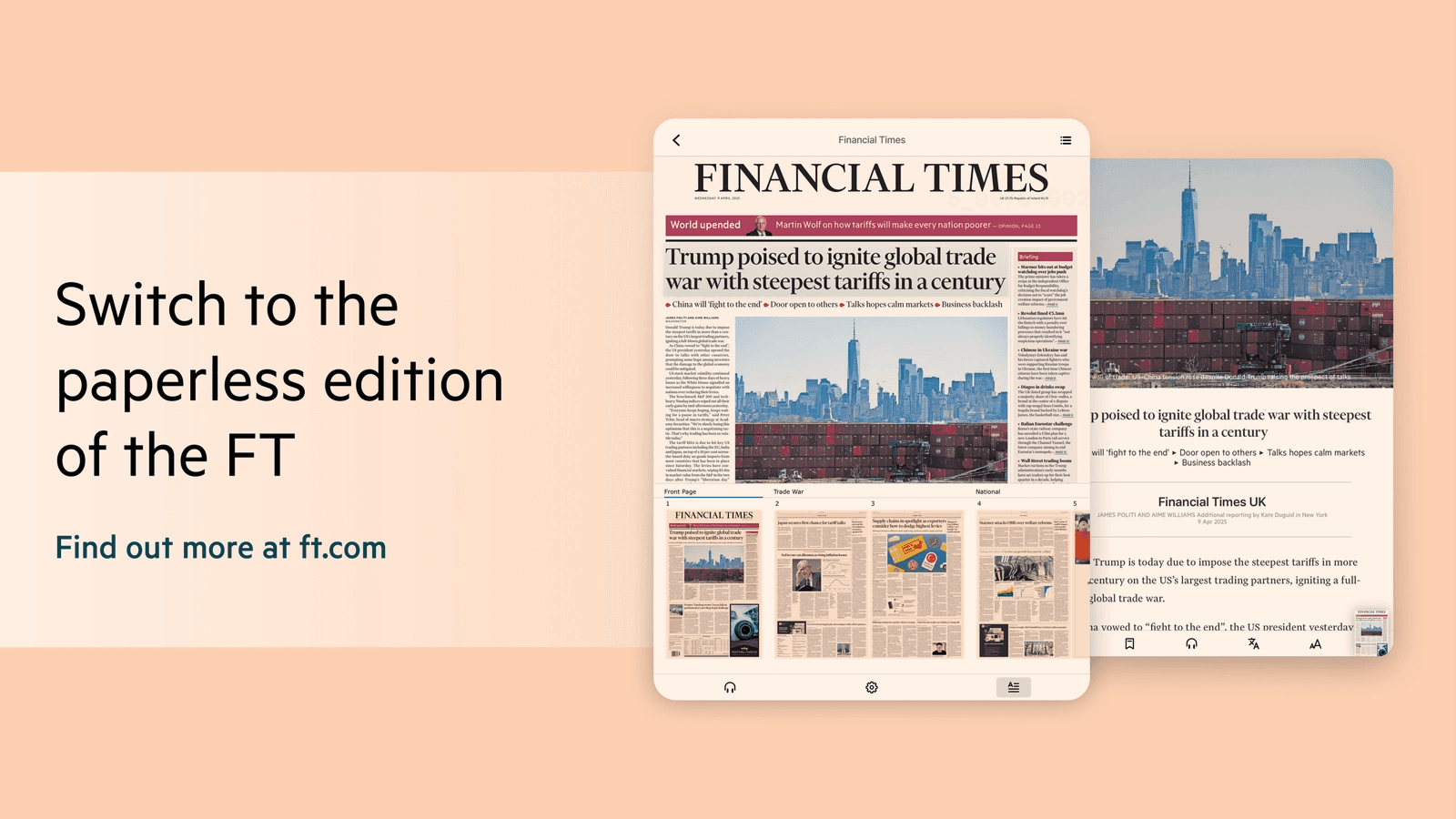
Some of the gaps were quite specific. Standard Digital readers mainly used tablets, while the marketing often showed phones. Premium and Standard Digital were difficult to tell apart visually. FT Edit needed a clearer identity for its younger, mobile-first audience.
There were smaller inconsistencies too, including gradients, shadows and motion. Designers wanted guidance they could adapt to their work, with enough explanation to make their own decisions.
The messaging needed more care as well. Different audiences valued different things, including credibility, independence, confidence and discovery. Generic product descriptions weren't doing enough to explain those differences.
Turning the findings into guidance
I organised the system around reusable principles for layouts, product messaging, device imagery, colour, typography, motion and calls to action.
Each section included examples of what worked and what to avoid, with an explanation of why. That gave teams a starting point without asking them to use the same layout for every product or channel.
How it's used
The guide became a shared reference for FT marketing and product communications. It brought product presentation into one place and gave designers, marketers and agency partners clearer guidance to work from.
It also made it easier to explain the approach to new team members, who could see the reasoning alongside the examples.
What I took from it
Writing the guidance was as much a design task as organising the visuals. A rule needed to make sense to the person using it, including someone who hadn't been part of the original discussions. The examples and explanations were a big part of making that work.