For The Why

4 min read

For The Why

4 min read

For The Why

For The Why

Overview

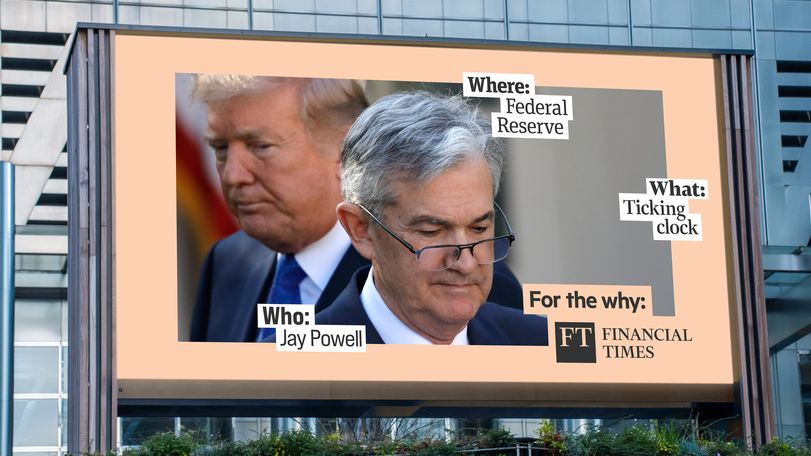
At the start of 2025, the Financial Times launched For The Why, a global brand campaign designed to reinforce its core proposition: helping readers understand not just what is happening in the world, but why it matters.

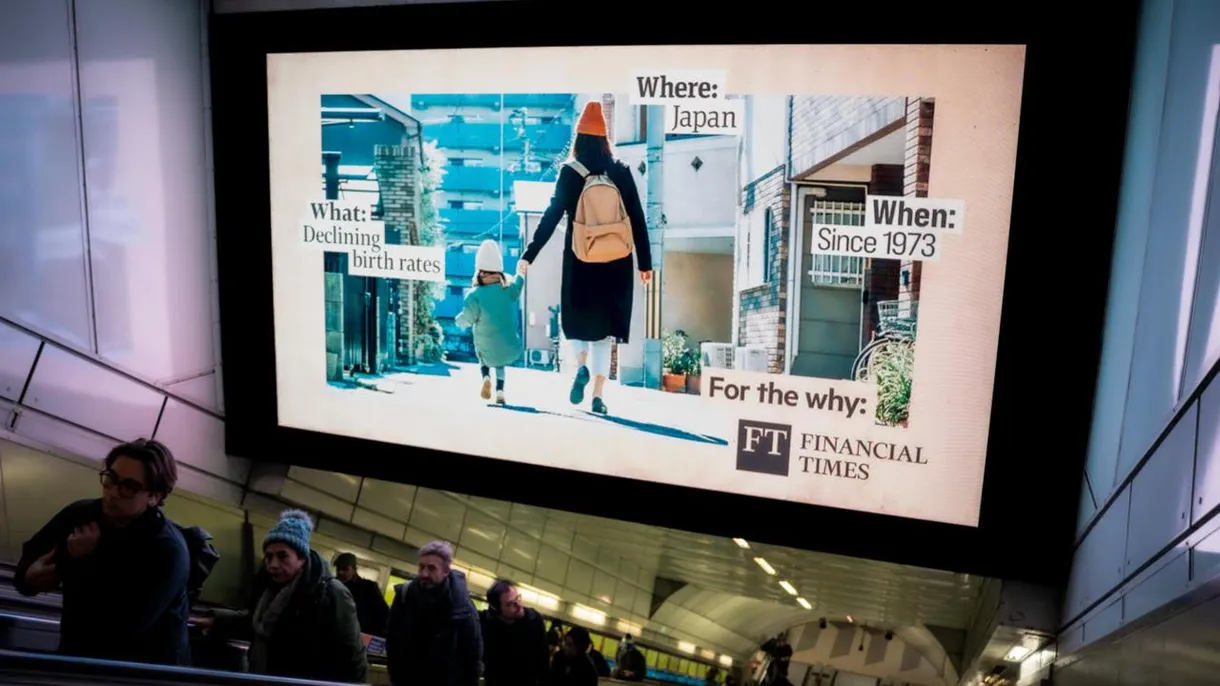
Developed with New Commercial Arts, the campaign rolled out across the UK, US, EMEA, and APAC, spanning TV, out of home, audio, digital, social, CRM, and on-platform experiences. It was one of the FT's biggest consumer campaigns, strengthening the brand while supporting long-term subscription growth.

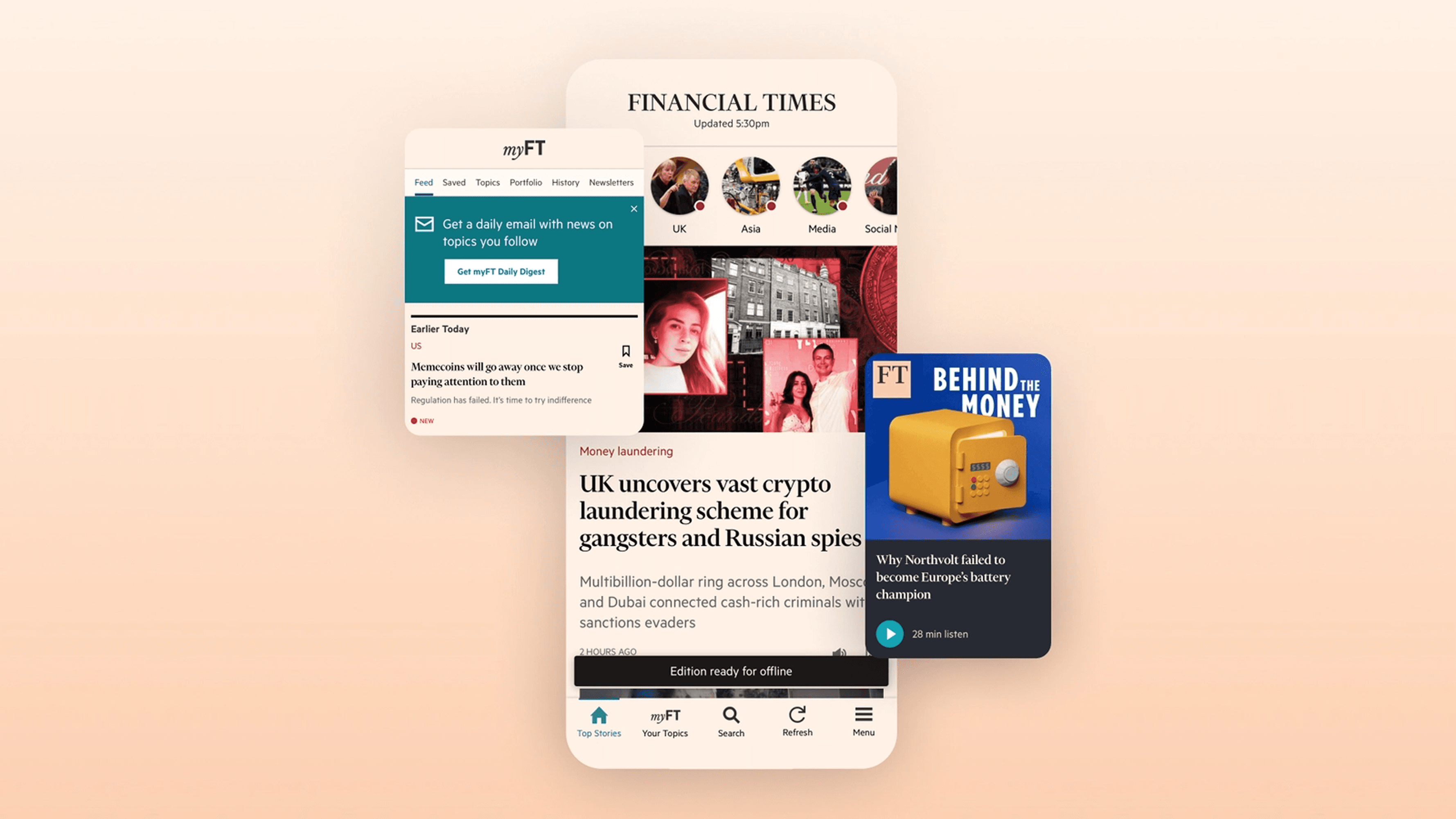
My role was to translate the campaign into a cohesive product experience. I worked across acquisition, onboarding, subscription, and lifecycle journeys, ensuring the campaign's messaging, visual identity, and storytelling could scale naturally across digital touchpoints.

This meant taking a high-level brand narrative and adapting it into practical, conversion-focused experiences that still felt unmistakably Financial Times. The work sat at the intersection of brand, product, growth, and lifecycle design, requiring close collaboration across multiple teams.

The Challenge

The biggest challenge was translating an emotionally driven brand campaign into product experiences that still performed.

The campaign followed a simple narrative structure of Who, What, Where, and ultimately Why. It worked brilliantly across advertising, where the goal was to tell a story and spark curiosity. Product experiences, however, had different priorities. They needed to balance storytelling with clarity, usability, trust, and conversion.

The campaign had to work consistently across acquisition landing pages, subscription journeys, onboarding, CRM, in-product messaging, responsive web, and retention experiences. Messaging that worked on a billboard or TV advert often needed adapting for smaller, more task-focused moments such as onboarding screens or subscription prompts.

Another challenge was maintaining consistency across global markets while giving teams enough flexibility to adapt content for different channels and audiences. The project also brought together marketing, product, CRM, subscription, and creative teams, all with different priorities and measures of success.

Ultimately, this wasn't about placing campaign assets into the product. It was about creating a connected experience where brand and product felt like one continuous journey.

My Role

I worked closely with marketing, product, CRM, and subscription teams to embed the campaign across key customer journeys.

My role focused on translating the campaign's creative system into scalable product experiences that supported both brand storytelling and business goals.

This included adapting campaign messaging for CRM and lifecycle journeys, applying the visual system to onboarding and acquisition flows, scaling imagery across responsive layouts, aligning landing pages with the wider campaign, and creating continuity from acquisition through to retention.

I also refined messaging hierarchy for different user needs and ensured product experiences maintained the premium feel of the wider campaign.

Throughout the project I collaborated with consumer marketing, CRM, product, subscription, brand, creative, engineering, and external agency partners.

A key part of my role was bridging the gap between brand ambition and product practicality. Rather than treating marketing and product as separate experiences, I focused on creating a seamless journey that carried users from first impression through to subscription and beyond.

Design Approach

The design approach centred on building a flexible system that could preserve the campaign's identity while adapting to different product contexts.

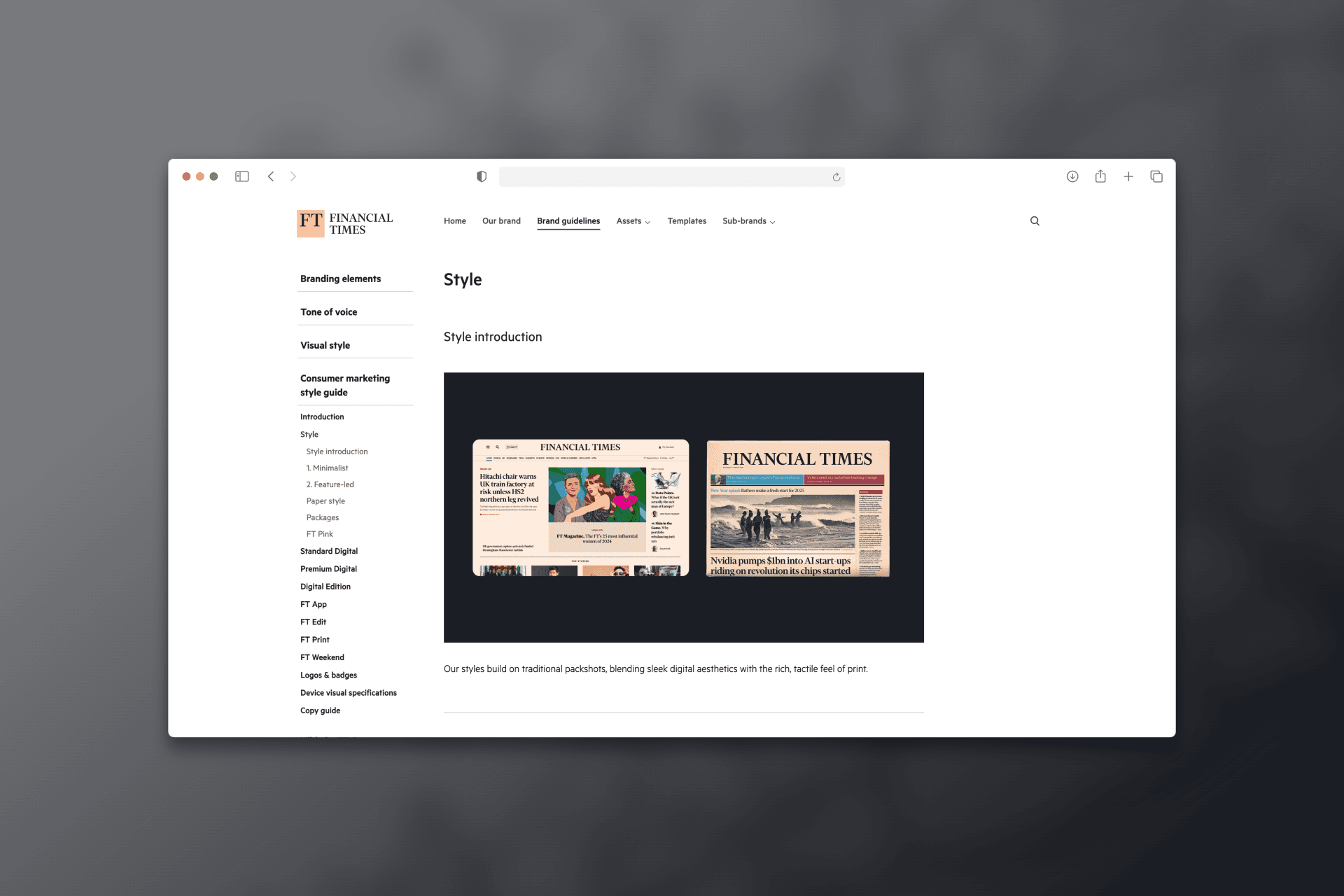
Rather than feeling like an external marketing layer, the campaign needed to become part of the product experience. I developed frameworks for how messaging, imagery, hierarchy, and interaction patterns could scale across different touchpoints and user states.

Key areas of focus included responsive hero imagery, messaging hierarchy across onboarding and CRM, consistent typography and tone, clearer conversion moments, adaptable layouts, accessibility, and stronger continuity between campaign exposure and subscription flows.

One of the biggest design challenges was balancing storytelling with usability.

Acquisition journeys required stronger value communication and clearer calls to action. Onboarding focused on reassurance and helping users quickly understand product value. CRM journeys needed modular messaging that could adapt across different lifecycle stages while still feeling connected to the wider campaign.

Throughout the work, I made sure messaging remained intelligent, confident, and aligned with the FT's editorial voice while staying clear and conversion focused.

Outcome

The campaign launched globally as part of a seven-week rollout across multiple markets and channels.

It contributed to a strong year for consumer subscriptions, with acquisitions increasing by almost 20% year on year. More importantly, it created a more connected customer journey by strengthening the transition between marketing, subscription, onboarding, and product experiences.

The project also showed how brand systems can extend beyond advertising and become part of the product itself. By creating scalable messaging and visual frameworks, the campaign could deliver a consistent experience from awareness through to long-term engagement.

Internally, it also strengthened collaboration across brand, marketing, product, and lifecycle teams, helping establish a more joined-up approach to customer experience.

Impact as a Designer

This project reflects my ability to work across both brand and product, turning high-level campaign thinking into practical, scalable digital experiences.

It strengthened my experience designing across the full customer journey, building reusable messaging and design systems, collaborating with multidisciplinary teams, and balancing brand storytelling with measurable business outcomes.

The biggest takeaway was that brand and product shouldn't exist as separate experiences. When they're designed together, they create a more consistent, intuitive journey that benefits both users and the business.

My Role

Duration and date

2 Months

Oct 2025 - Dec 2025

Duration and date

2 Months

Oct 2025 - Dec 2025